My mother, Leslie, is an interior designer and a construction consultant. For as long as I can remember, she has worked on single-family homes, the kind of work where the difference between good and great hides in details most people never consciously register: the reveal on a piece of trim, the way a tile pattern resolves in a corner, a paint that was mixed rather than pulled off a shelf, a stair rail shaped by someone's hands. I grew up around that, and I dabble in design myself. So I'll admit I take this one a little personally.
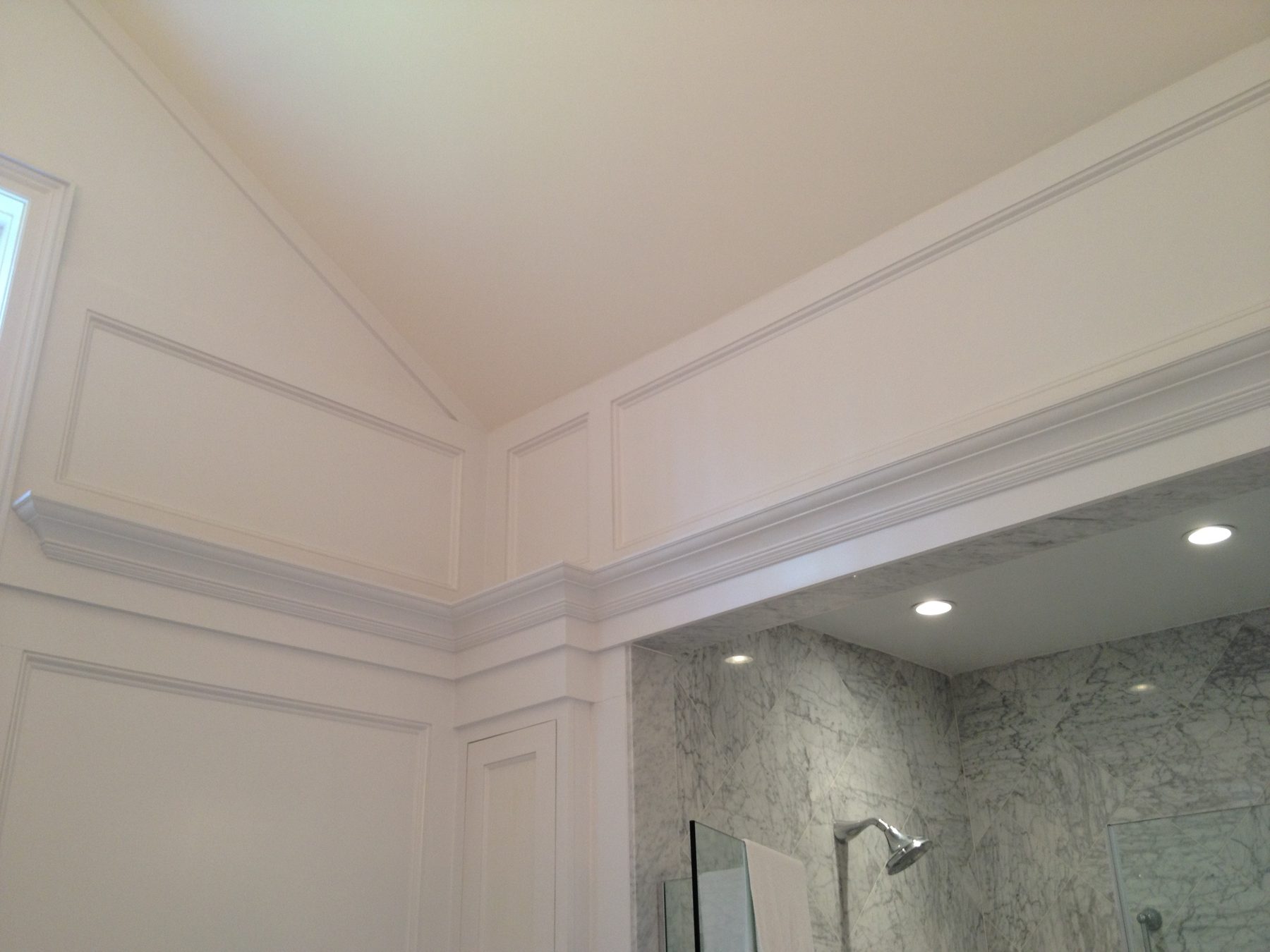
When a home is damaged and a claim gets filed, something strange happens. The house you actually know, the one built and finished with specific choices and real craft, gets fed into a system designed to price the average. Insurance estimating platforms run on standardized databases: a square foot of drywall, a linear foot of baseboard, a unit called "interior door." They are efficient, and for a builder-grade tract house they're often close enough. For a home with any character, they quietly erase the thing that made it worth living in.
"Like kind and quality" is a promise the estimate often breaks
Most policies promise to restore your property to "like kind and quality." That phrase is doing a lot of work. It is the difference between replacing hand-troweled plaster with plaster and replacing it with a sheet of drywall and a coat of flat paint. Between custom millwork remade by a finish carpenter and a stock profile off the big-box aisle. Between the specific tile you chose, now discontinued, and "ceramic tile, standard grade."
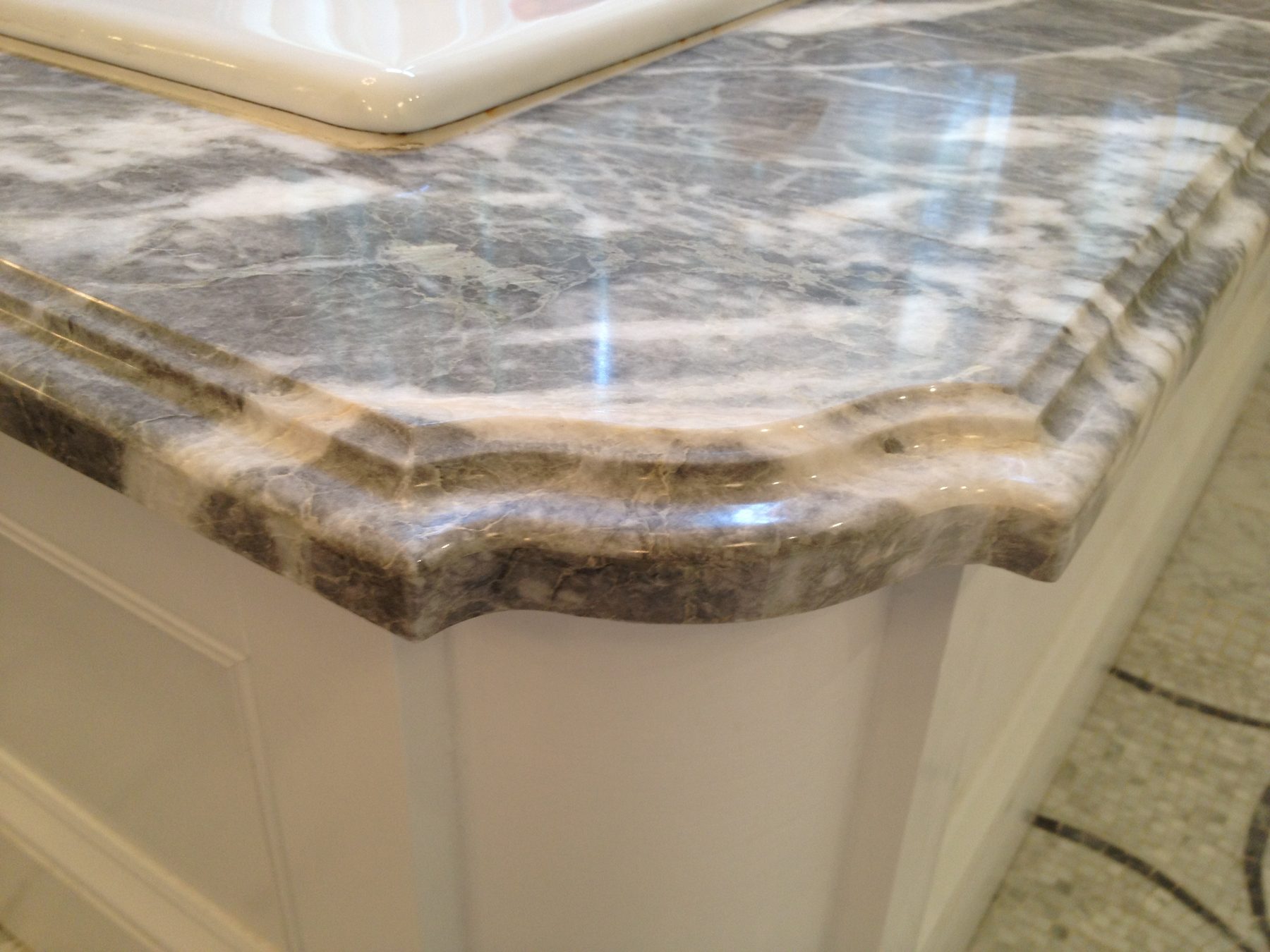
The carrier's estimate rarely reaches for the higher number on its own. Not usually out of malice, but because the software's default is the average, and the adjuster who spent forty-five minutes in your home has no way to know that the kitchen cabinets were built to fit the room, or that the flooring is a species that runs three times the line item, or that matching the existing work means matching a level of craftsmanship, not just a material category.
The absurdity of pricing a home like a warehouse
There is something almost absurd about it when you sit with it. A home is one of the few things people pour real intention into, their taste, their memory, years of small decisions, and when it's damaged we hand the valuation to a pricing engine built to move quickly across thousands of claims. The engine isn't looking at your home. It's looking at a category that resembles your home.
That gap, between the category and the actual thing, is where homeowners lose money without ever noticing. It doesn't arrive as a denial. It arrives as a number that looks fine on paper, until you try to rebuild what you had and find the check covers, at best, a lesser version of it.
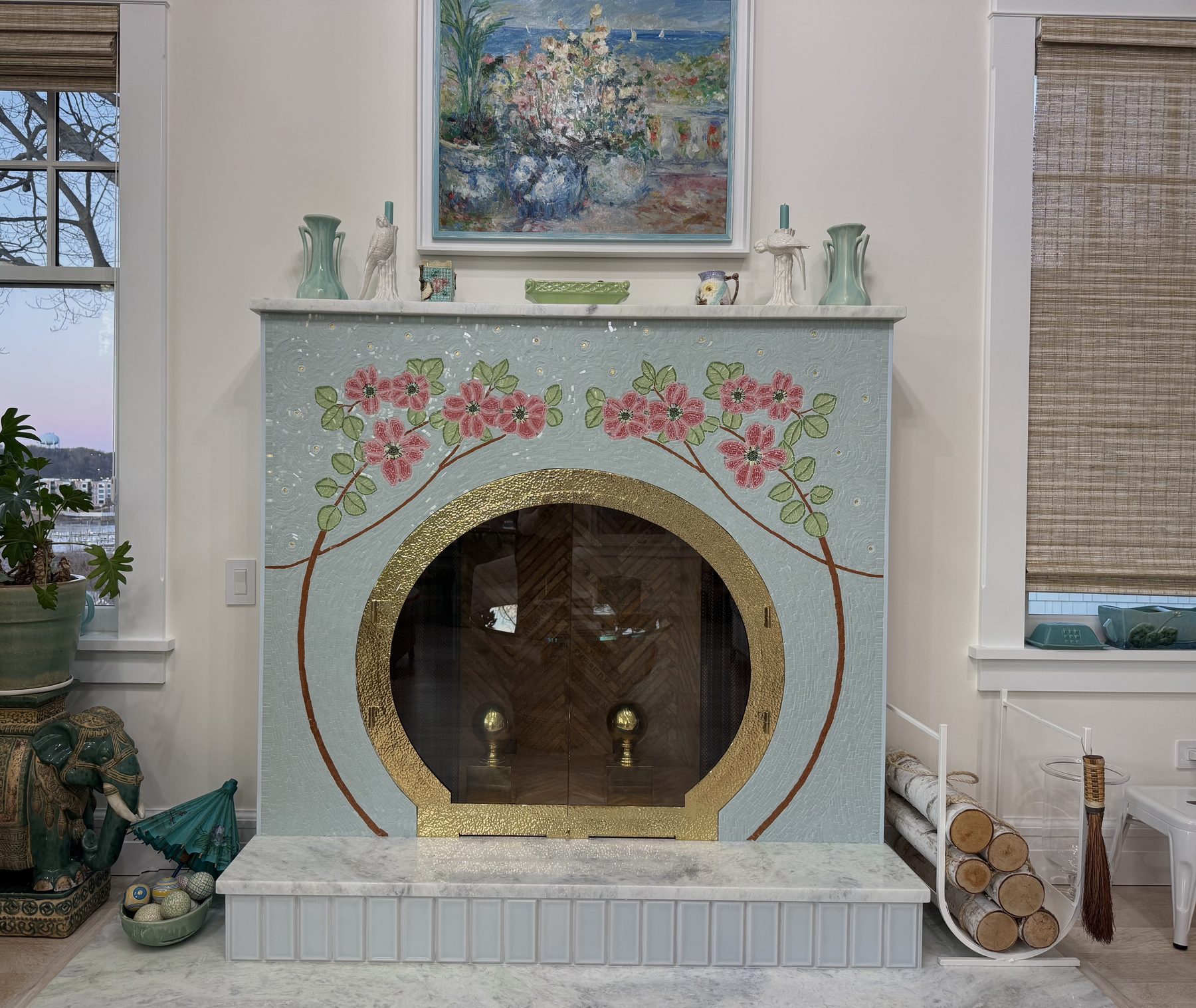
Someone has to argue for the details
Closing that gap takes someone willing to itemize what the software flattened. To document the plaster, the custom profiles, the discontinued tile. To establish the real quality that "like kind and quality" actually entitles you to, and to price it honestly against what skilled craftspeople charge. That is a large part of what we do at Caretake, and it's not an accident that it's the part I care most about. Between my mother's decades in design and construction and my own eye for it, we tend to catch the details a standardized estimate skips, and we know how to put them back into the claim where they belong.
Your home wasn't mass-produced. When it's damaged, the people valuing it shouldn't be a spreadsheet.
If your Maryland home has damage and the offer feels like it's paying for a lesser version of what you had, Caretake will review your policy and estimate at no cost. We'll help make sure the details count.